Melbourne Cup Posters and Artwork: The Visual History of the Race
Melbourne Cup Posters and Artwork: The Visual History of the Race
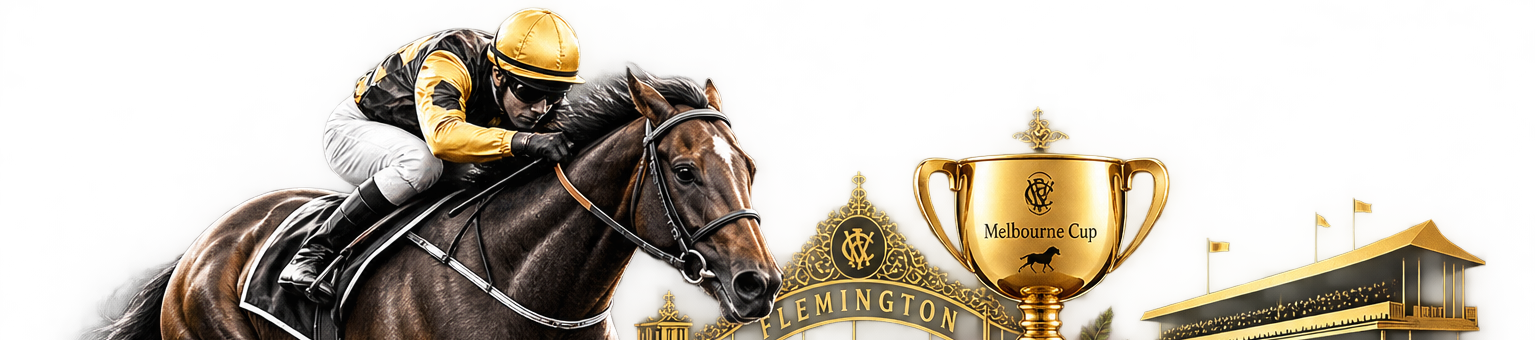
The Melbourne Cup is remembered through more than horses, jockeys and winning moments. For generations, the race has also been represented through posters, artwork, illustrations, photographs and graphic design.
These visual pieces provide a fascinating record of how the Melbourne Cup and Australian racing culture have changed over time.
Where Racing Meets Art
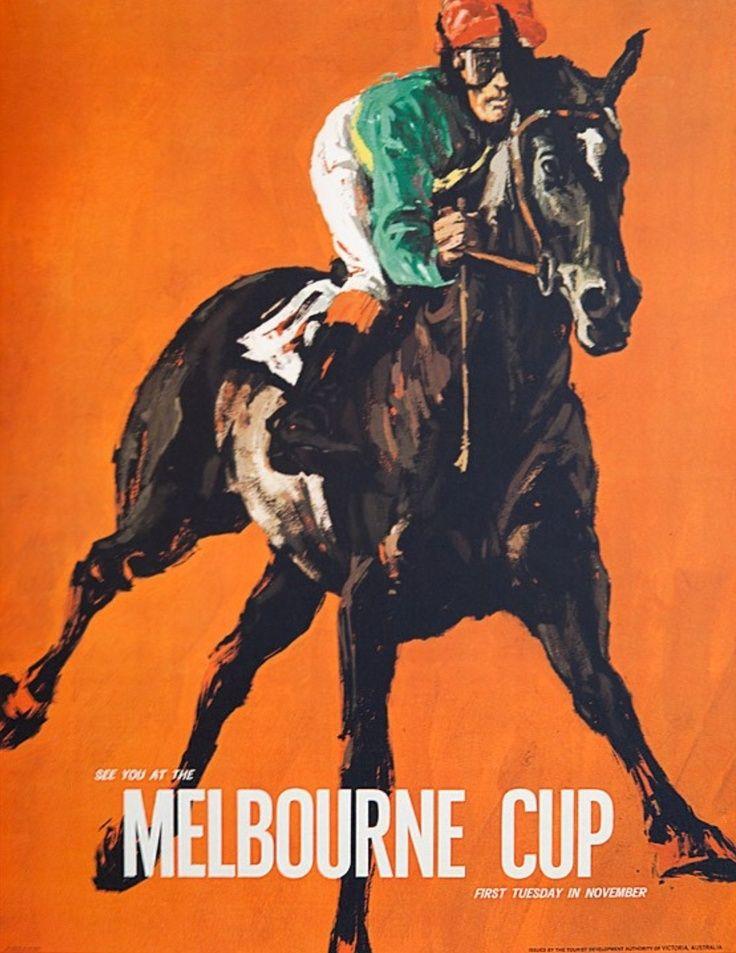
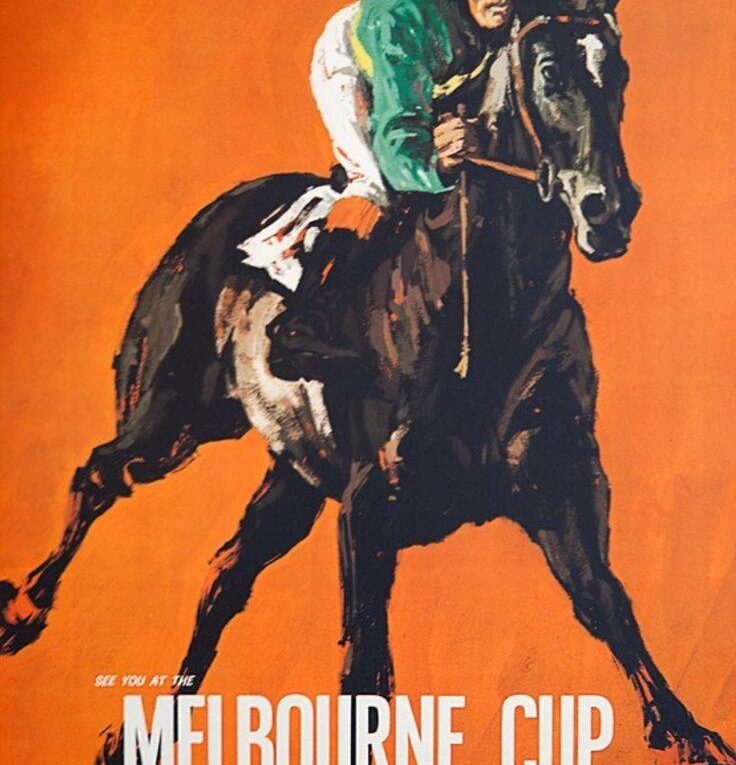
A Melbourne Cup poster has a simple purpose: attract attention and create excitement around one of Australia’s biggest racing events.
Older racing posters often used bold typography, illustrations of horses and jockeys, dramatic colours and decorative designs. Rather than relying on photography, artists had to create an impression of speed and excitement through illustration.
These designs have since become pieces of Australian sporting history.
The Changing Look of the Melbourne Cup
Over the decades, the visual identity surrounding the Melbourne Cup has continually evolved.
Early promotional artwork reflected the graphic-design styles of its period. Later posters incorporated photography, modern typography and more sophisticated printing techniques.
The changes tell us something about Australian society as well as horse racing.
A vintage poster can reveal the colours, clothing, artistic styles and advertising techniques that were popular when it was created.
In that sense, Melbourne Cup artwork is not simply decoration—it is a visual time capsule.
Horses as the Main Characters
The horse has traditionally been at the centre of Melbourne Cup artwork.
Artists have used powerful silhouettes, dramatic racing scenes and close-up portraits to communicate the strength and speed of thoroughbreds.
A galloping horse can instantly communicate movement, competition and excitement without requiring a long explanation.
Jockeys are often included as part of the composition, with colourful racing silks providing another opportunity for artists to create distinctive imagery.
Flemington in the Artwork
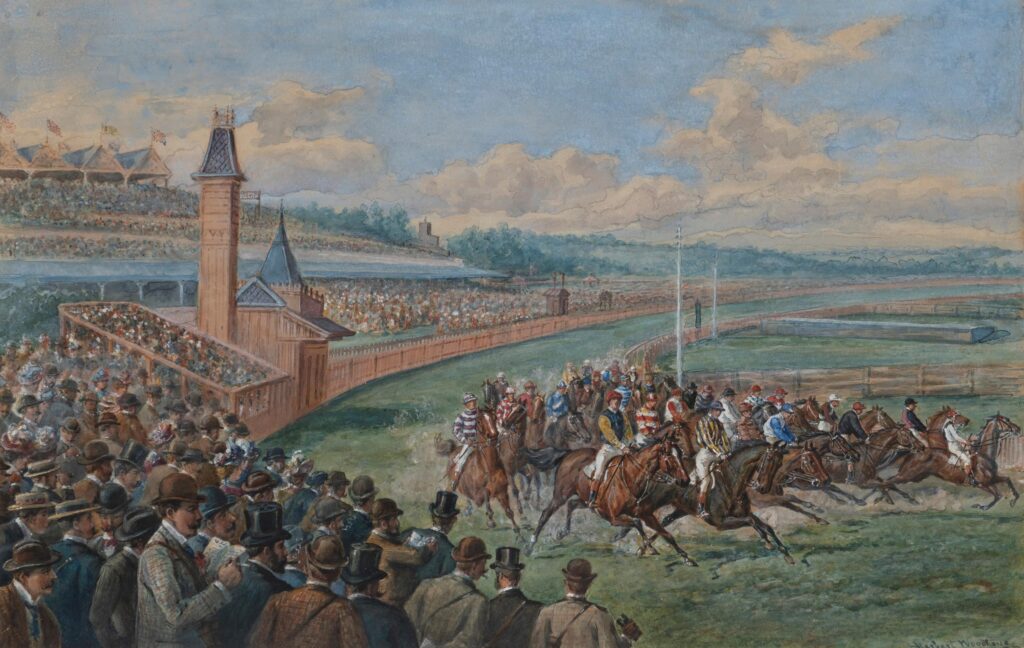
The Melbourne Cup is closely associated with Flemington Racecourse, and the racecourse itself has become an important visual subject.
Grandstands, crowds, the track and the famous straight can all help establish a sense of place.
For viewers, these images can turn a race poster into something more meaningful. They don’t simply advertise a race—they capture the atmosphere and identity of Flemington.
The Melbourne Cup and Graphic Design
As printing and advertising technology developed, Melbourne Cup promotional material became increasingly sophisticated.
Typography became a major design element. Designers experimented with large lettering, unusual layouts, photography and strong visual compositions to attract attention.
Modern Melbourne Cup campaigns can combine traditional racing imagery with contemporary design.
This creates an interesting contrast between the historic character of the race and the modern presentation of the event.
Posters as Collectibles
Today, historic racing posters can be interesting collectibles for people interested in Australian sport, graphic design and racing history.
Their value can depend on factors such as age, condition, rarity, historical significance and the importance of the event they promoted.
A poster associated with a particularly memorable Melbourne Cup can have additional historical appeal.
For collectors, the attraction is often about more than monetary value. A vintage poster can represent a specific period in Australian racing and provide a physical connection to the past.
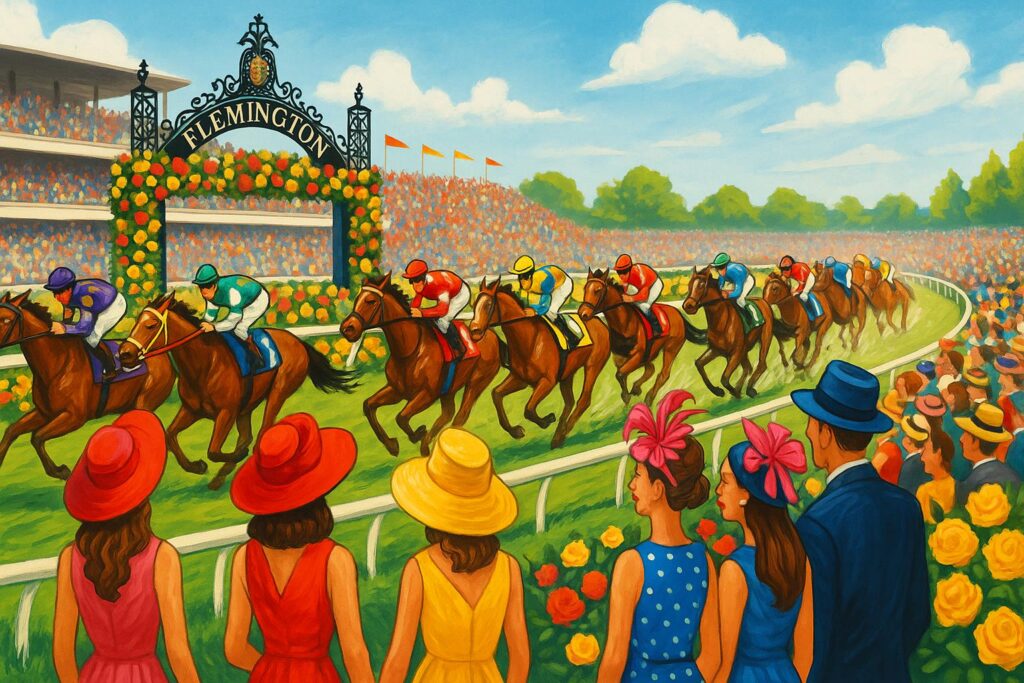
The strongest Melbourne Cup artwork often communicates emotion rather than simply showing a horse.
Excitement, anticipation, competition and celebration are all powerful themes.
An artist might focus on the moment before the starting gates open or the instant horses charge toward the finish.
Another might choose to portray the winning celebration, the Melbourne Cup trophy or the colourful crowd at Flemington.
Each approach tells a different part of the story.
From Vintage Posters to Digital Media
The visual history of the Melbourne Cup continues to evolve.
Where earlier generations relied heavily on printed posters and newspaper artwork, today’s audiences encounter Melbourne Cup imagery through websites, social media, digital advertising, video and online publications.
The technology has changed, but the objective remains remarkably similar: create an image that makes people stop and pay attention.
This is particularly relevant for modern racing websites and media brands. Strong visual storytelling can help introduce a new generation to the history and atmosphere of the Melbourne Cup.
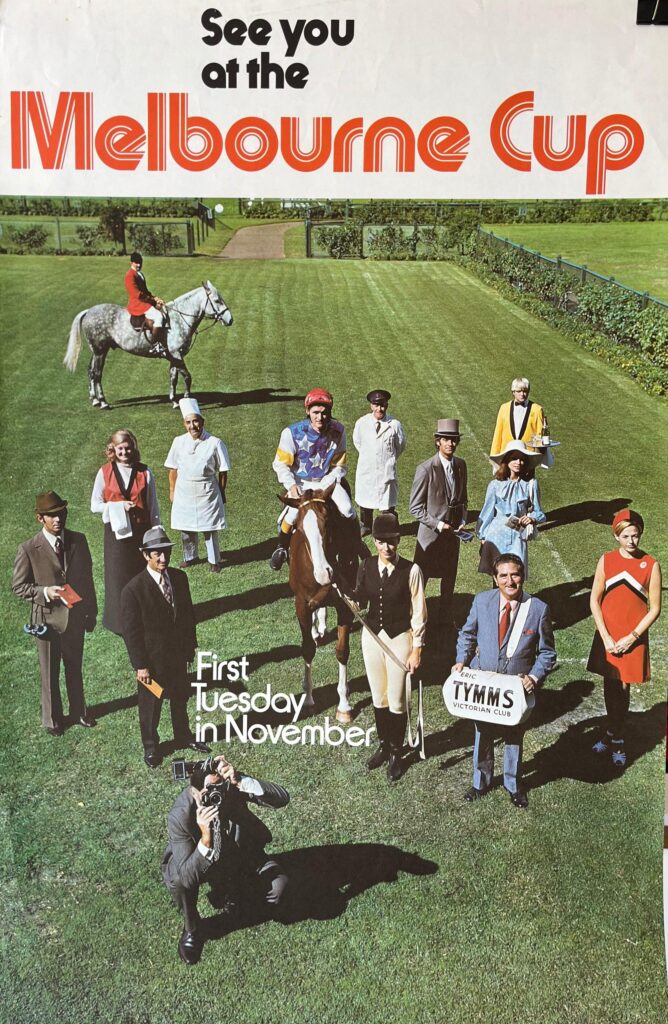
Melbourne Cup posters and artwork provide another way to preserve the history of Australian racing.
Race results tell us who won. Statistics tell us how the race was run. Photographs show us what happened.
Artwork adds another dimension: how the Melbourne Cup was presented and remembered by different generations.
From hand-drawn racing illustrations to modern digital campaigns, every era has created its own visual interpretation of the race.
That makes Melbourne Cup artwork much more than a collection of attractive images. It is part of the cultural history surrounding Australia’s most famous horse race.
The Visual Story Continues
The Melbourne Cup has been running for more than a century and continues to inspire photographers, designers, artists and racing enthusiasts.
As the event evolves, its visual identity will evolve with it.
Tomorrow’s Melbourne Cup posters may look very different from the vintage designs of the past—but they will serve the same purpose: capturing the excitement of Flemington and preserving the memory of another chapter in Melbourne Cup history.